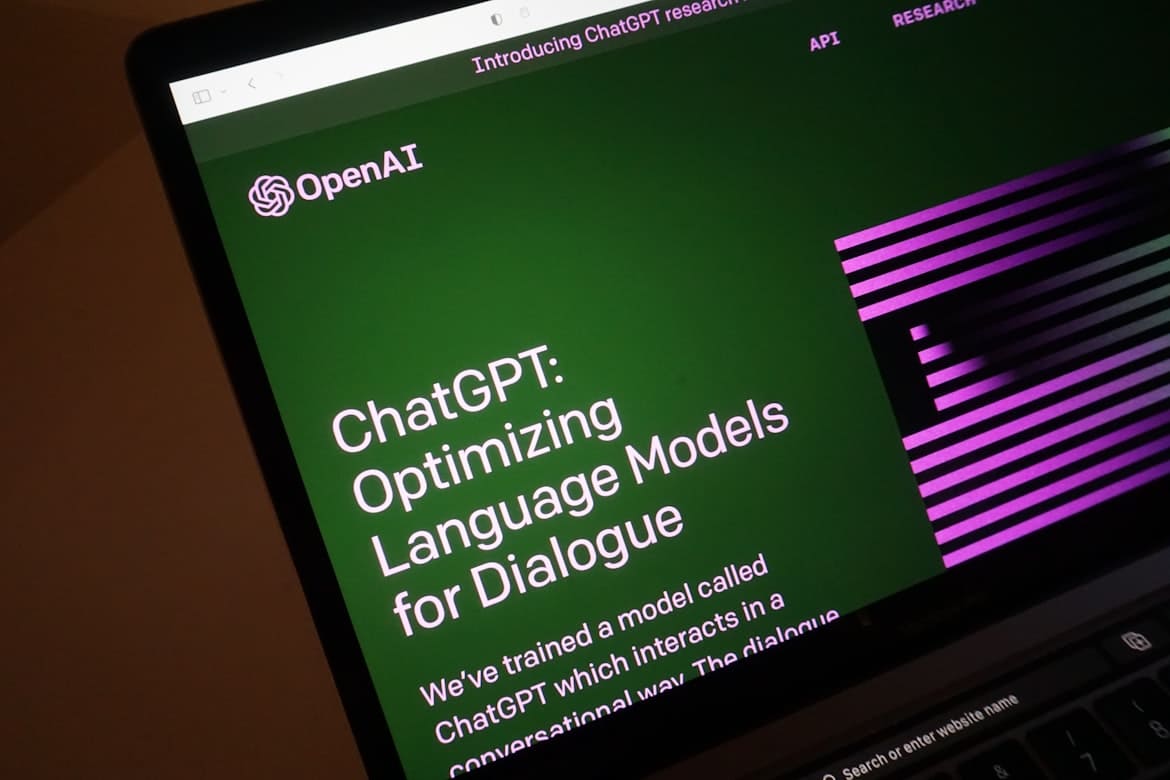

I downloaded the AIPRM Chrome extension back in late 2022. I was trying to write client web copy and getting completely generic, robotic drafts from ChatGPT. Everyone on my feed was hyping it up as the ultimate prompt shortcut. After using it daily for over three years, I’ve developed a love-hate relationship with it. It saves clicks, sure, but it also clutters my workspace and has its own share of annoying quirks.
If you're looking for a simple guide on how to use AIPRM for ChatGPT without the marketing fluff, this is it. I'll share what actually works, what’s just hype, and the small frustrations nobody tells you about.
What Is AIPRM — and Why is Everyone Talking About It?
AIPRM stands for AI Prompt Repository Manager. It’s a Chrome extension that injects a library of pre-written prompt templates directly into your ChatGPT dashboard. The idea is simple: instead of writing a detailed prompt manually, you click a button and let the extension do the prompting.
Think of AIPRM as a macro sheet. It saves typing time, but it won't write a great article for you without a lot of manual editing. Don't expect the default public prompts to do 100% of the work.
In theory, it sounds perfect. But in practice, you have to dig through thousands of repetitive, keyword-stuffed templates. It feels less like an autopilot and more like digging for gold in a digital landfill. That said, when you find a prompt that actually works, it saves you a massive amount of copying and pasting.
How Does AIPRM Work with ChatGPT?
Once you install the extension, it completely takes over your default ChatGPT screen. It injects a search bar and a grid of cards divided into categories like SEO, Marketing, Writing, and Coding.
When you select a prompt, you're prompted to enter some variables—like a target keyword or a product name—before hitting enter. ChatGPT then runs the background prompt text along with your input.
One major annoyance: every time OpenAI updates their interface, the extension breaks. You'll often see a red connection error or a missing sidebar until the AIPRM developers push an update a day later.
Step-by-Step: How to Install and Use AIPRM for ChatGPT
-
1Get the extensionSearch the Chrome Web Store for "AIPRM for ChatGPT". Hit Add to Chrome.If the dashboard doesn't change, do a hard refresh (Ctrl+F5 or Cmd+Shift+R). I've had to reinstall it twice because it randomly stopped loading.
-
2Link your accountsOpen ChatGPT. You'll be prompted to link your OpenAI account with a Google account via AIPRM.It feels a bit invasive, but there is no way around it if you want to save favorites or use custom prompts.
-
3Search for high-rated promptsFilter the search by "Top Votes" instead of "Recent". Most new prompts are written by beginners and aren't worth your time. Stick to community-vetted templates.Start with templates that have at least 10,000 runs. They are usually more stable and less prone to breaking the context window.
-
4Fill in the variablesClick a prompt card, look at the input box at the bottom. Replace the bracketed placeholders like `[keyword]` or `[URL]` with your own data.If you leave placeholder tags in, the AI gets confused and outputs gibberish. Double-check before hitting enter.
-
5Star your winnersThe free version only lets you favorite a handful of prompts. Use those slots wisely for the 3 or 4 prompts you actually use every single week.Name your custom templates with your project prefix (e.g., "CLIENT_OUTLINE") so you can find them instantly.
10 Useful Ways I Actually Use AIPRM for ChatGPT
I've tested hundreds of prompts in the library. Here are the 10 use cases that actually saved me time, along with the approximate search terms to find them:
I use this to map out H2s and H3s. It does a decent job, but I always have to delete half the sections because it tries to cover too much fluff.
Great for writing quick Facebook ad hooks using the Problem-Agitate-Solve framework. The outputs get repetitive after 3 runs, but it beats staring at a blank screen.
It generates clean competitor briefs. I use it to outline articles for freelancers, though I manually adjust the target word counts.
I run my draft copy through these prompts to generate 10 subject lines. Usually, 8 of them are terrible, but 1 or 2 are usable.
Helps format text with clean paragraph spacing and spacing rules. Be careful: it loves adding emojis on every line, so you'll need to clean it up.
I feed it raw product specs and it writes clean, benefit-driven bullets. Very handy for Shopify dropshipping stores.
I tested this on a tech video. The visual hook suggestions were a bit generic, but the opening lines were solid.
I use a prompt that simplifies sentences and breaks down passive voice. It’s faster than rewriting them manually when I’m tired.
It gives a quick high-level overview of competitors, though it misses real-time market changes. Good for a starting point.
I use it to generate brand voice guidelines based on sample text, which helps keep my writing consistent across different clients.
AIPRM vs. Manual Prompting: Which Is Better?
| Factor | Manual Prompting | AIPRM Extension |
|---|---|---|
| Setup time | None — just type | ~3 min install once |
| Output quality | Varies — depends entirely on prompt skill | Variable — depends on the template you pick |
| Speed per task | Slow — writing prompt details every time | Fast — pick, fill, run |
| Repeatability | Hard — prompts get lost in chat history | Easy — saved favorites library |
| Learning curve | Steep — must learn prompt structure | Minimal — just fill out placeholders |
| Flexibility | High — write whatever you want | Low — locked into other people's templates |
| Cost | Free | Free (core) / Up to $20/mo (paid) |
| Best for | Custom logic & complex workflows | Repetitive tasks & quick templates |
Click "Show Prompt Template" on any top-ranked AIPRM prompt. Read the full text. This is the fastest way to learn prompt structure. Once you understand it, start writing your own custom prompts instead of relying on other people's templates.
Common Mistakes When Using AIPRM (and How to Avoid Them)
If you copy and paste directly from ChatGPT, it looks like a robot wrote it. I spend at least 30% of my time editing the output, removing weird phrasing, and making it sound human.
Some templates require specific settings (like turning off Web Search or selecting a specific tone). Read the template description before hitting run.
Your dashboard gets messy fast. Pick 3 or 4 prompts and master them, rather than switching templates every single session.
ChatGPT with AIPRM will still hallucinate stats. Verify every single number, link, and proper noun before publishing.
Advanced Tips That Saved Me Time
If you want to get real value out of the extension, try these techniques:
Even on the free tier, you can save a few private templates. This is way better than using public ones because you can write prompts tailored specifically to your clients' brand voices.
Get the outline first, then use a second prompt to write the intro, then a third to write the body. Writing a whole 2,000-word post in one prompt always results in low-quality text.
I paste my ChatGPT drafts into my editing tool to check readability and flow. AIPRM does the writing; you must do the polishing.
AIPRM works with free models, but GPT-4o produces vastly better results for detailed outlines and code generation than older models.
My Content Workflow with AIPRM
Here is the exact step-by-step process I use to write articles using AIPRM:
Semrush / Ahrefs
Custom AIPRM Outline
GPT-4o + Prompts
Human Pass
SurferSEO
WordPress / Webflow
The trick is separating the writing from the editing. AIPRM helps generate the raw drafts, but the human pass is what makes the article actually readable and helpful for searchers.
A 1,500-word blog post that used to take me 3 hours of manual outlining and drafting now takes about 45 minutes of drafting and 45 minutes of editing. It hasn't replaced my brain, but it has doubled my output speed.
Frequently Asked Questions
Yes, it's a verified Chrome extension. It doesn't read or store your actual chat content, it just injects templates into the browser interface. However, it does ask for Google account permissions during sign-up, which might put off some privacy-focused users.
No, it works fine with the free tier. However, the free GPT-4o mini runs out of context window faster, making long-form work harder. If you do this for clients, the Plus + AIPRM combination is worth the $20/month.
No, there are no prompt marketplace payouts. You can't sell prompts directly inside AIPRM. You can only use it to drive traffic to your website or profile by listing your links in the template description.
Yes, Brave and Edge work fine since they are Chromium-based. Firefox is a bit of a pain to get running, and Safari is not supported at all. Stick to Chrome or Brave for the smoothest experience.
Final Verdict: Is AIPRM Worth It?
- Free plan is enough — You don't need to pay for the premium tiers unless you need shared team templates.
- Save private templates — Write your own instead of scrolling through the spammy public directory.
- Edit the output — AI drafts are always a starting point, never the final copy.
- Chrome-focused — Works best on Chromium browsers like Chrome and Brave.
AIPRM is a great utility extension, but it's not a magic solution. The public library is full of spam, the UI is messy, and it breaks when ChatGPT updates. But for saving 15 minutes of copying and pasting outlines and templates, it's absolutely worth installing the free version. Don't buy the paid plans unless you're managing a team and need shared prompt templates.
1. Install the extension → 2. Open ChatGPT → 3. Search "SEO Blog Outline" → 4. Pick the top-rated result → 5. Fill in your keyword → 6. Star the prompt. You've just used AIPRM for the first time and have a fully structured SEO blog outline ready to write from. That's it.

Priyanka Kumari
Priyanka Kumari is a freelance writer specializing in Artificial Intelligence and Social Media. She creates engaging content that simplifies complex topics, making them accessible and interesting for readers of all ages.
Read more articles by this author